Practical Ideas for Creating Multi-Functional Living Areas
As urban living spaces continue to shrink, the demand for multi-functional areas in apartments has grown significantly. This article explores practical ideas for transforming small living areas into dynamic spaces that cater to various needs without breaking the bank.
Understanding the Basics of Multi-Functional Design
Creating multi-functional living areas involves designing spaces that serve multiple purposes, effectively maximizing limited square footage. According to industry experts, this approach can significantly enhance both functionality and comfort in smaller apartments. The principle behind this is to select furniture and layouts that can adapt to various activities, ensuring that every inch of your apartment is utilized efficiently.
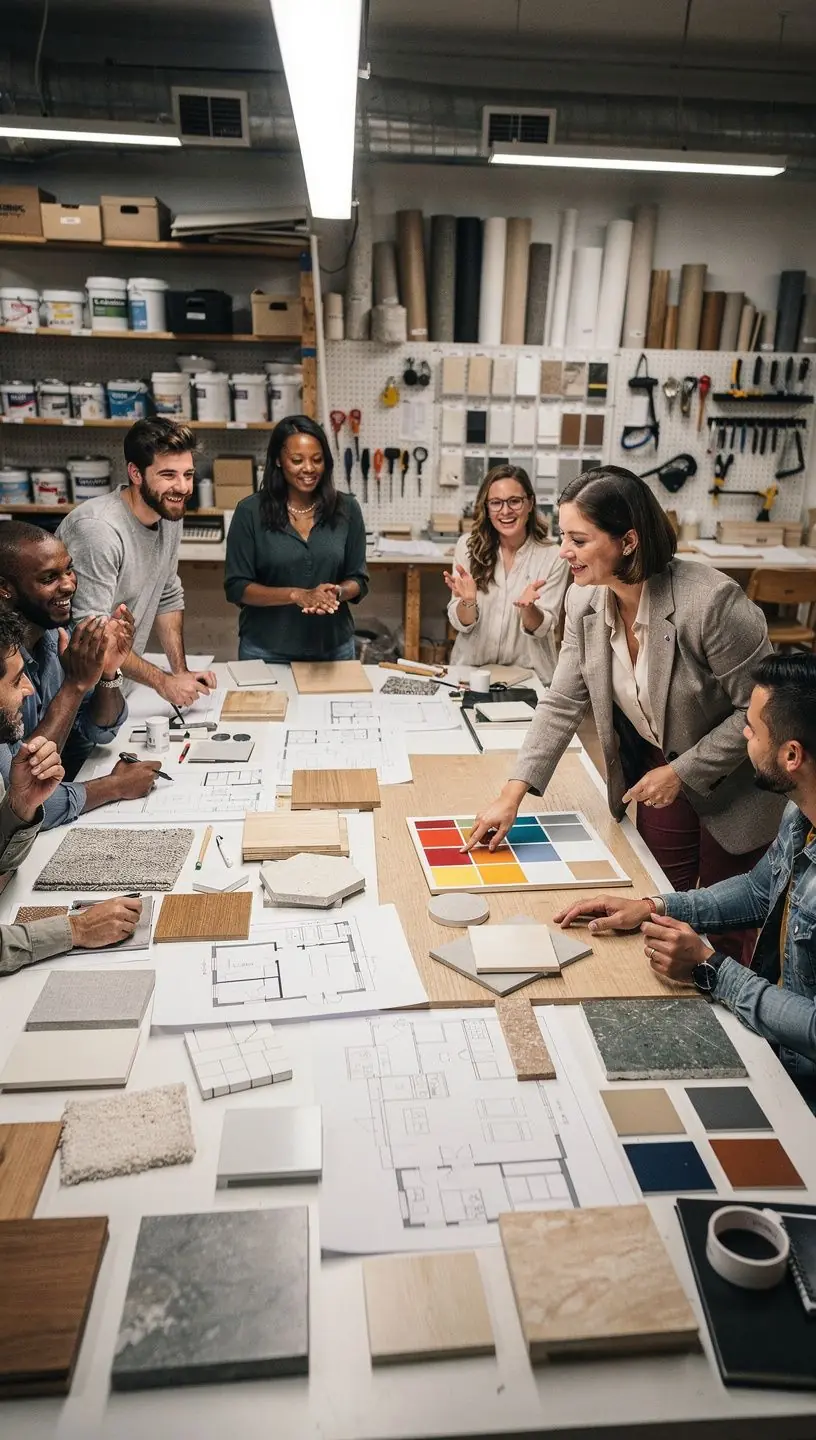
"Multi-functional design can transform even the smallest apartments into livable, flexible spaces that cater to the diverse needs of their inhabitants." – Interior Design Expert
Practical Application of Multi-Functional Ideas
- Furniture with Storage: Choose pieces that incorporate storage solutions, such as ottomans that open up for extra space or coffee tables with drawers. Research indicates that utilizing vertical space and hidden storage can increase the usability of an area by up to 30%.
- Flexible Room Dividers: Use room dividers that are lightweight and movable, such as curtains or folding screens. This method can create a sense of privacy while allowing for adaptability, which is often essential in open-concept living arrangements.
- Convertible Furniture: Invest in furniture that can easily switch between different uses. Sofa beds, Murphy beds, or extendable dining tables are effective solutions that cater to both guests and daily routines. Many users report that these investments are often worth it in terms of enhanced flexibility.
Incorporating Technology for Enhanced Functionality
Integrating technology into your living space can also improve functionality. Smart home devices, such as adjustable lighting and programmable thermostats, allow you to customize your environment according to your needs. According to a study by the American Society of Interior Designers, homes equipped with smart technology can increase the perceived value of a space significantly, making them appealing for both personal comfort and potential resale.
Limitations and Considerations
While multi-functional living areas offer many benefits, there are limitations to consider. Transforming a space typically takes time; expect the process to require anywhere from a few days to several weeks, depending on the scope of your project. Additionally, not all solutions will fit every space; it’s essential to assess your specific needs and constraints before making changes. For example, a solution that works well in a studio apartment might not be suitable for a larger space with defined rooms.
Conclusion
Ultimately, transforming your apartment into a multi-functional living area involves thoughtful planning and a commitment to flexibility. By choosing the right furniture, utilizing technology, and being mindful of the limitations of your space, you can create an environment that serves your diverse needs effectively. This approach not only maximizes functionality but also enhances the overall living experience in an increasingly crowded urban landscape.
Learn More