Understanding the Impact of Color in Apartment Design
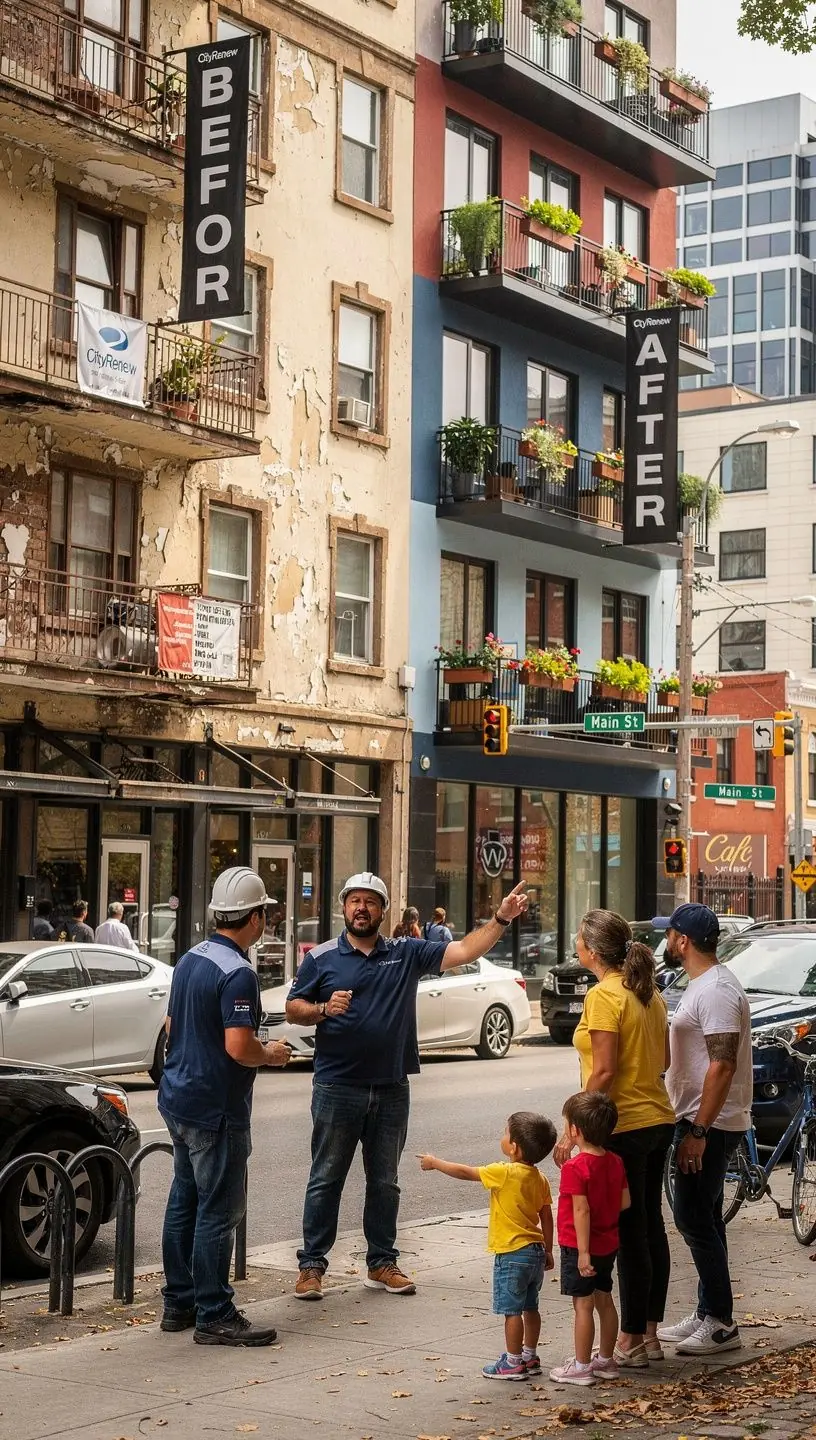
Color plays a crucial role in apartment design. It influences mood, perception of space, and overall aesthetics. In this article, we will explore how color impacts apartment transformations, supported by expert insights and practical tips.
The Psychology of Color
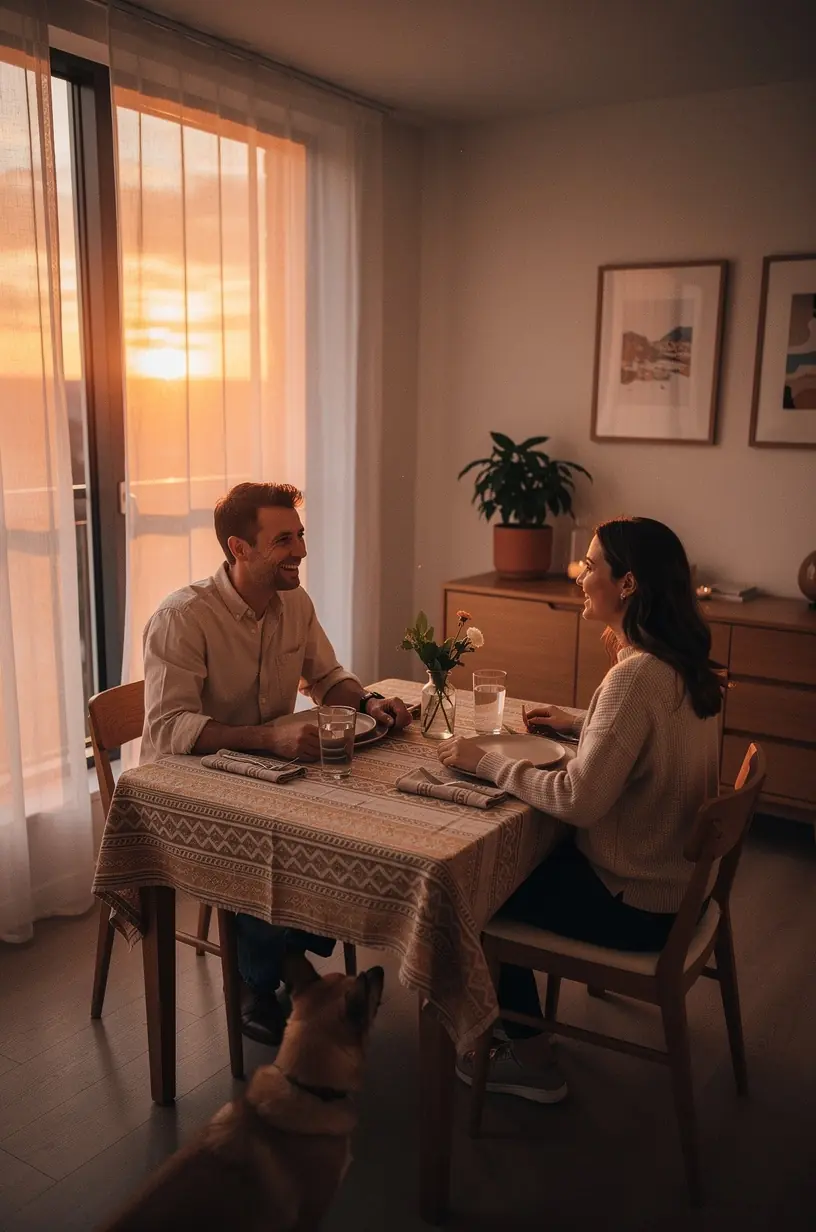
Research indicates that colors can evoke specific emotions and responses. For instance, blue is often associated with calmness and productivity, whereas red can stimulate excitement and energy. According to design experts, understanding the psychological effects of color can significantly enhance the effectiveness of your design choices.
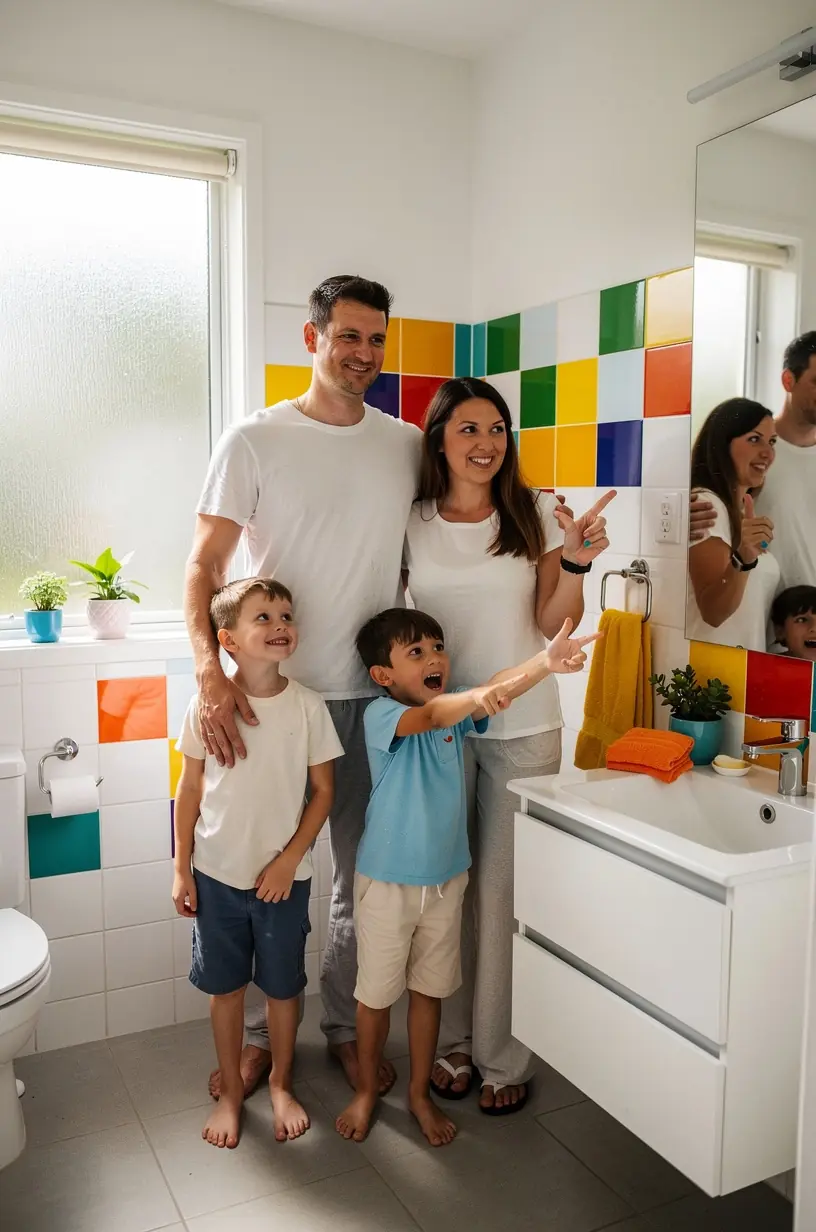
"Choosing the right color can help create the desired ambiance in a space, influencing how residents feel and interact within their environment."
Color Schemes and Spatial Perception
The colors you choose can also affect how spacious or cozy an apartment feels. Typically, lighter colors such as pastels or whites can make smaller spaces feel more expansive, while darker shades may create a more intimate atmosphere. Experts suggest that a well-thought-out color scheme can alter perception and enhance the functionality of the space.
Tips for Effective Color Use
- Consider Natural Light: Colors respond differently to natural lighting. Spaces with ample sunlight can benefit from cooler colors, while dimmer rooms may feel warmer with brighter hues.
- Choose a Focal Point: Using bold colors on a feature wall can create a striking focal point. This method works effectively in living areas or bedrooms, drawing the eye and adding character.
- Acknowledge Trends and Preferences: While trends can inspire, it’s vital to choose colors that reflect your personal style and the intended use of the space. Many users report that personalized spaces contribute to overall satisfaction.
Implementing Color Changes
Transforming the color scheme of an apartment can typically take 1-2 weeks, depending on the extent of the changes. Simple updates, like repainting walls or adding colorful accents through decor, can be a cost-effective way to refresh your space.
Additionally, it’s valuable to note that color changes may not work effectively in all situations. For instance, apartments with limited natural light may not benefit from very dark colors, as they can make the space feel smaller and more enclosed.
Conclusion
In summary, understanding the impact of color in apartment design is essential for successful transformations. By applying the principles of color psychology and considering individual preferences, you can create spaces that are not only visually appealing but also enhance the mood and functionality of your home. Remember, the right color choices can lead to a more enjoyable living environment, so take the time to explore your options thoughtfully.