How Lighting Design Affects Apartment Ambiance
Lighting design plays a crucial role in shaping the ambiance of an apartment. By understanding how different lighting elements interact, you can create spaces that are not only functional but also visually appealing. This article explores the impact of lighting design on apartment ambiance, providing insights and practical tips for effective transformation.
Understanding the Basics of Lighting Design
Lighting design encompasses the planning and execution of lighting solutions that enhance a space's aesthetics and functionality. According to industry research, the right lighting can significantly affect mood, productivity, and overall well-being. Experts typically recommend assessing the type of activities that will occur in a space to determine suitable lighting choices.
"A well-designed lighting plan can elevate the ambiance of an apartment, making it feel more inviting and comfortable." - Lighting Design Expert
The Effects of Different Lighting Types
There are three primary types of lighting to consider: ambient, task, and accent. Each serves a unique purpose:
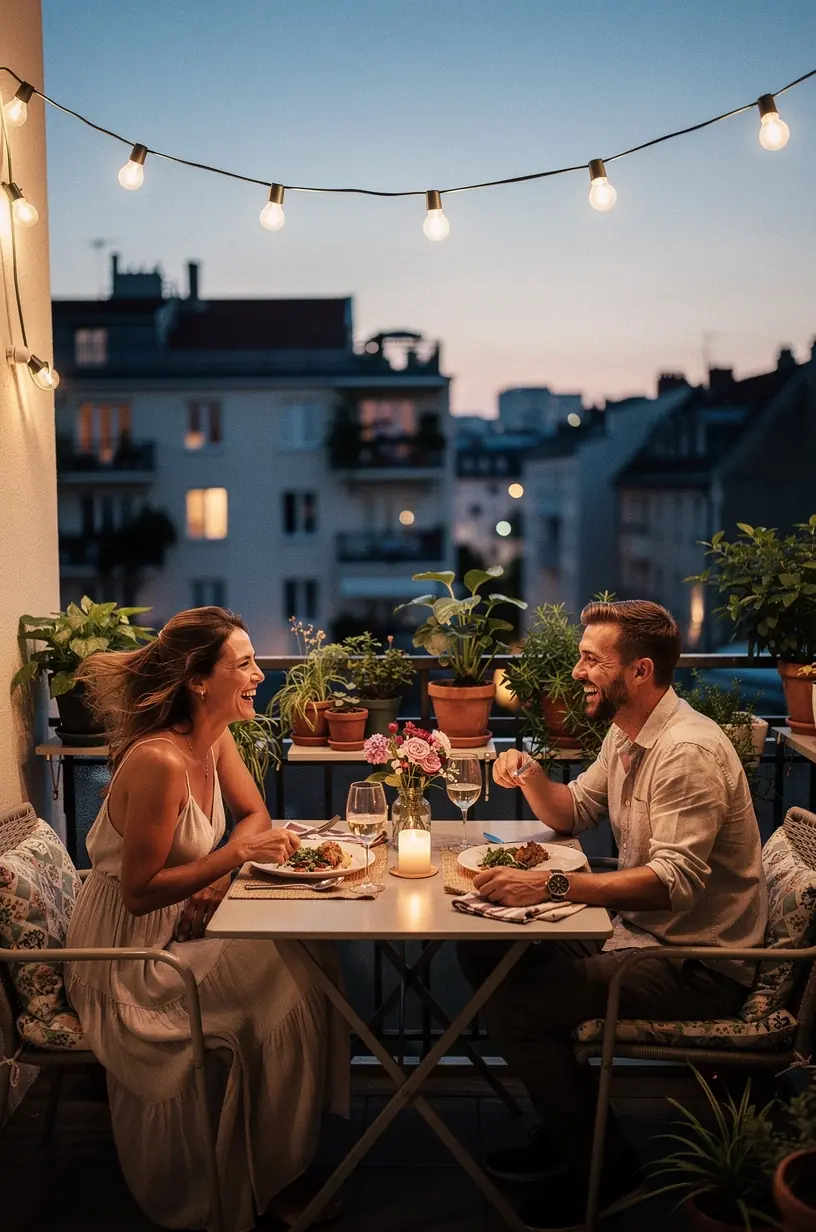
- Ambient lighting: This is the general illumination for a room, often achieved through ceiling fixtures or natural light sources. It creates a foundational brightness that sets the overall tone.
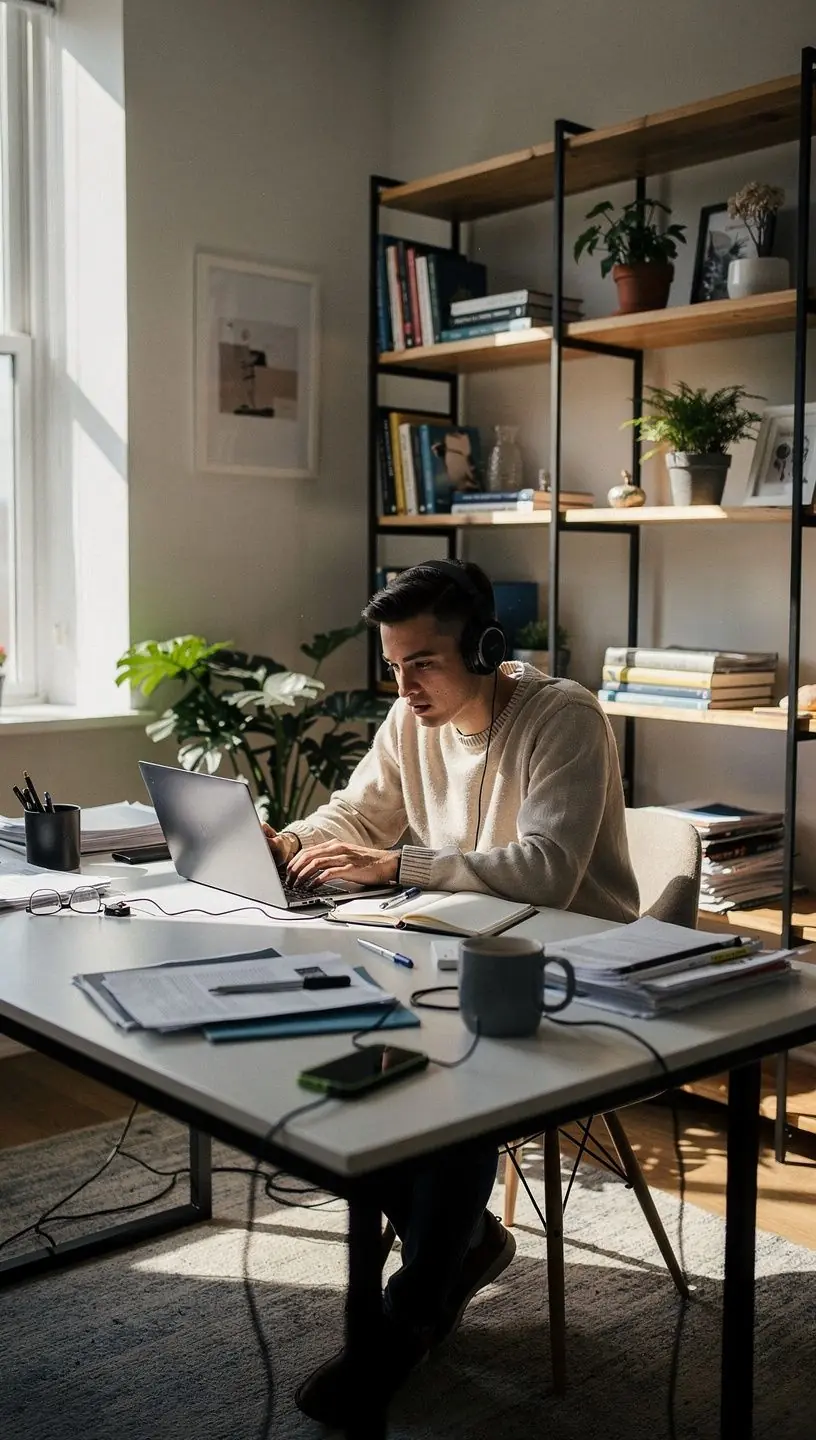
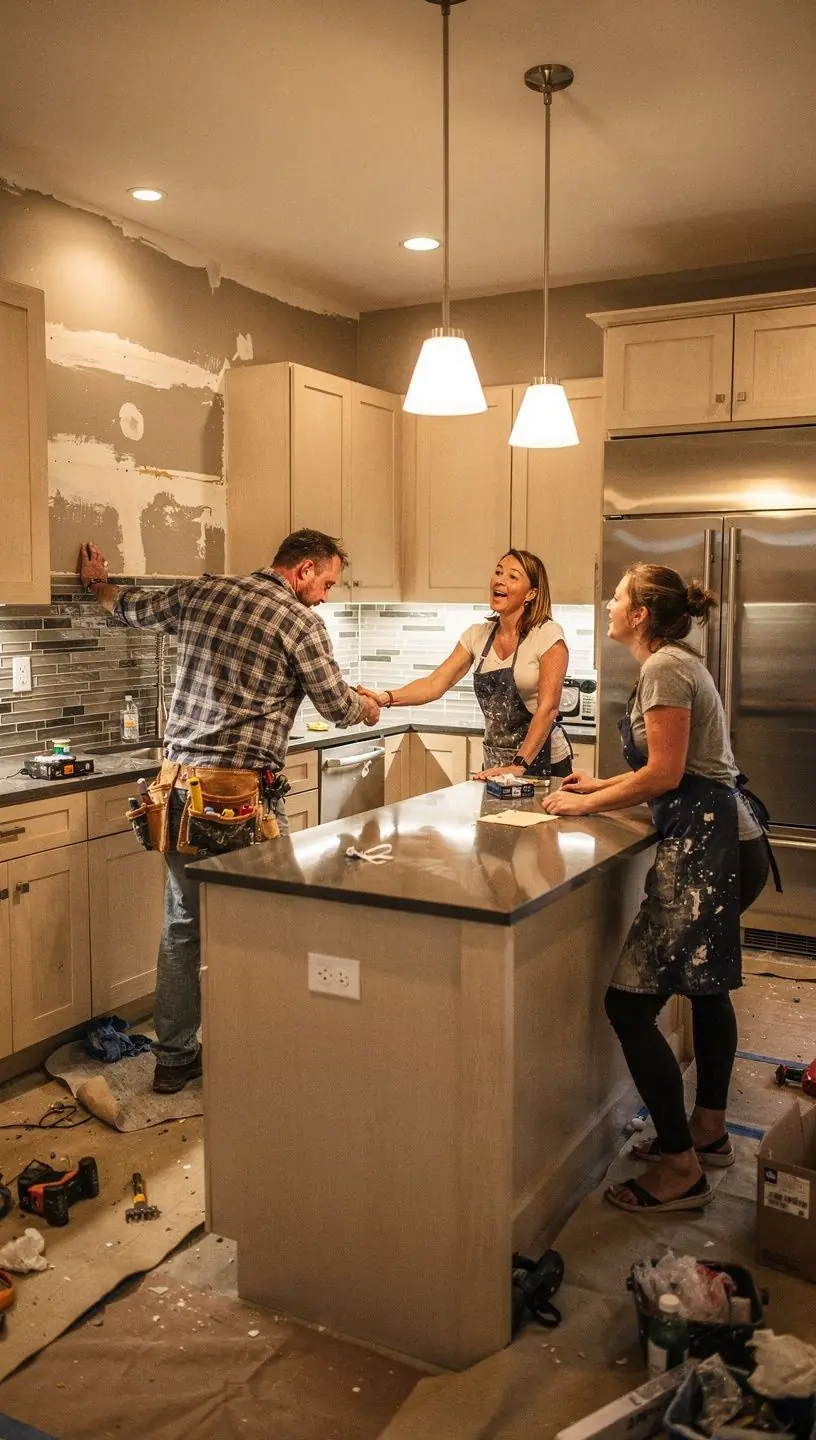
- Task lighting: Focused lighting that assists with specific tasks such as reading, cooking, or working. Examples include desk lamps and under-cabinet kitchen lights.
- Accent lighting: Used to highlight particular features in a space, such as artwork or architectural details. Spotlights and wall sconces are common choices.
Creating a Balanced Lighting Design
Achieving a balanced lighting design involves integrating all three types effectively. Studies show that spaces with layered lighting can feel more dynamic and inviting. Here are some practical steps to consider:
- Assess your space: Understand the layout and the natural light available throughout the day. This will help in determining how much additional lighting is required.
- Choose the right fixtures: Select fixtures that match your apartment’s style and offer flexibility. Dimmable lights can be particularly effective for creating mood.
- Experiment with placement: The positioning of lights can dramatically change the ambiance. For instance, placing lights at different heights can add depth and interest.
Common Mistakes to Avoid
While designing lighting for your apartment, it’s essential to avoid some common pitfalls:
- Overlooking natural light: Positioning mirrors or reflective surfaces can enhance natural light, making spaces feel larger and more open.
- Using only one type of lighting: Relying solely on ambient lighting can result in a flat atmosphere. Integrating task and accent lighting is vital for depth.
- Neglecting energy efficiency: Consider using LED bulbs, which offer energy savings and longer lifespans compared to traditional bulbs.
Conclusion
Lighting design is a powerful tool for transforming the ambiance of an apartment. By understanding the different types of lighting and how they can be integrated, you can create a space that feels welcoming and functional. Remember to consider your personal preferences and the specific needs of your space as you explore these lighting solutions. With thoughtful planning and application, you can achieve a beautifully lit environment that enhances your daily living experience.
Learn More