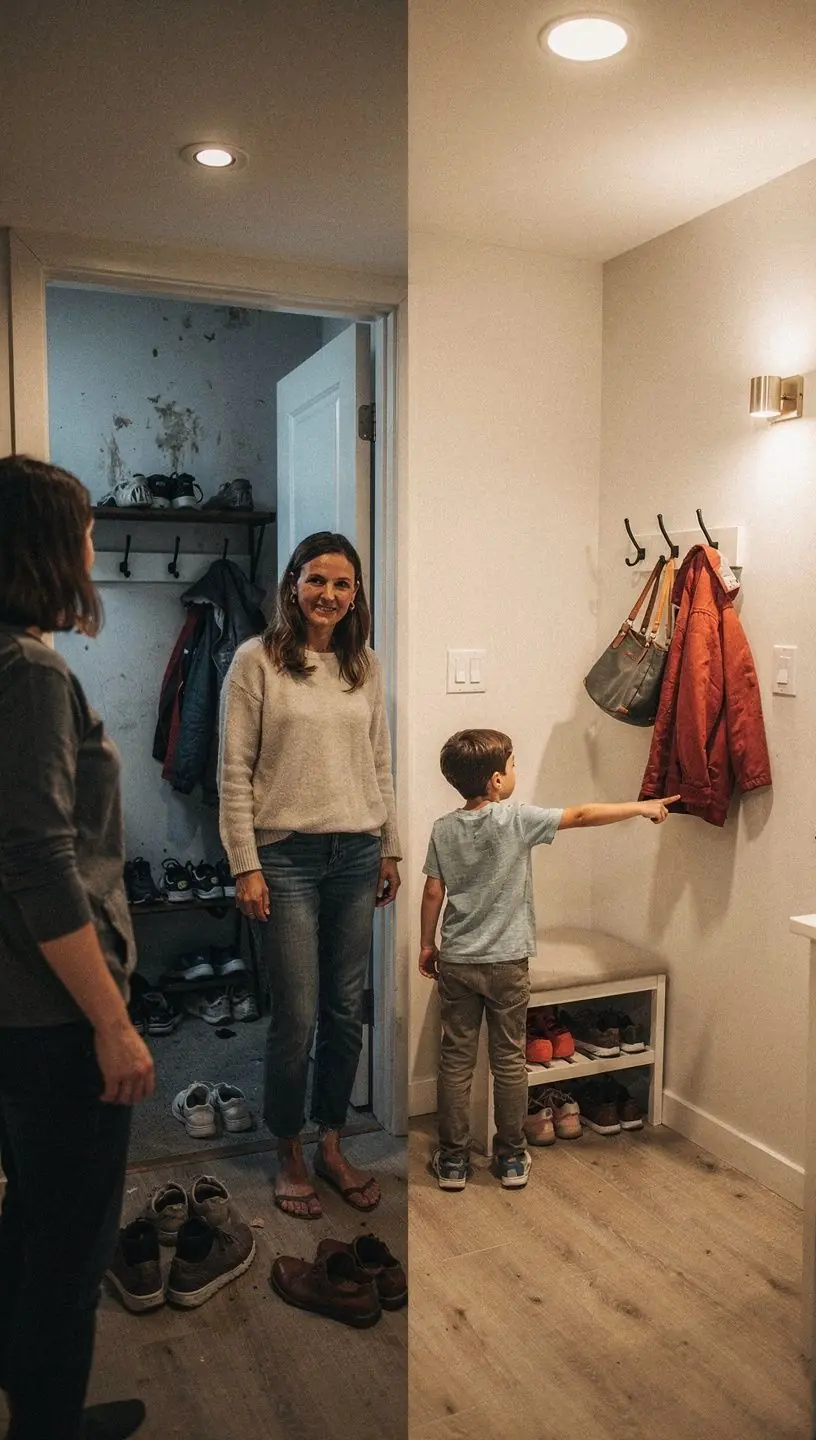
Tips for Choosing Cost-Effective Flooring Options
Selecting the right flooring can significantly enhance the aesthetic and functional appeal of your apartment. For many apartment transformation agencies, focusing on cost-effective improvements is key. This article provides practical tips on choosing flooring options that are both affordable and effective.
Understanding Your Needs
Before diving into specific flooring types, it's essential to assess your individual requirements. Factors to consider include the room's purpose, foot traffic levels, and your overall design vision. According to industry experts, understanding these elements is crucial in guiding your flooring selection process.

Popular Cost-Effective Flooring Options
When searching for budget-friendly flooring solutions, several options stand out:
- Vinyl Flooring: This material is often praised for its durability and ease of installation. Many users report significant cost savings, as vinyl can mimic more expensive materials like hardwood or tile without the hefty price tag.
- Laminate Flooring: Laminate is another popular choice, known for its resistance to scratches and dents. Studies indicate that laminate can be up to 50% less expensive than hardwood, making it a reliable option for budget-conscious homeowners.
- Carpet Tiles: These tiles offer flexibility in design and are often more affordable than traditional carpeting. Furthermore, replacing individual tiles can be easier and less costly than replacing an entire carpet.
Evaluating Durability and Maintenance
While cost is a primary consideration, evaluating the long-term durability and maintenance requirements of your flooring choice is equally important. For example, vinyl and laminate floors typically require minimal upkeep and are resistant to moisture, making them suitable for high-traffic areas.
"Choosing flooring materials that are durable can save you money in the long run by reducing the need for replacements." – Flooring Industry Expert
The Importance of Installation
Many flooring options come as DIY kits, which can save substantial installation costs. However, it's important to recognize that some materials, like hardwood, may require professional installation to ensure optimal results. Generally, DIY projects can take about 1-3 days, depending on the complexity and area size.
Setting a Realistic Budget
It's essential to establish a realistic budget for your flooring project. Experts recommend allocating about 10-15% of your overall renovation budget for flooring alone. This ensures you can select quality materials without compromising your financial plan.
Conclusion
Choosing cost-effective flooring options involves careful consideration of your needs, budget, and the specific characteristics of each material. By focusing on options like vinyl, laminate, and carpet tiles, you can achieve an appealing and functional space without overspending. Remember, investing a little time in research and planning can lead to significant savings in both the short and long term.